

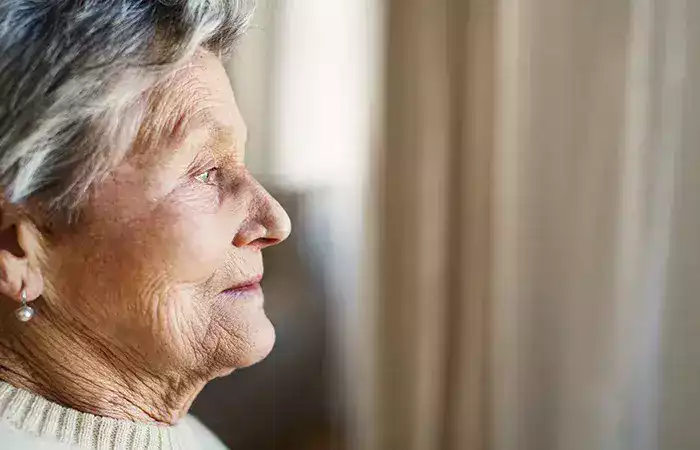
There is a particular kind of loneliness that lives inside caregiving. It is not the loneliness of an empty house or a silent phone. It is the loneliness of being surrounded by people—a spouse, children, doctors, nurses, neighbors—and still feeling utterly and profoundly alone.
It is the loneliness of sitting in a hospital waiting room filled with strangers, realizing that no one in the room truly understands what your life has become. It is the loneliness of lying in bed next to a partner who is still physically present but emotionally unreachable. It is the loneliness of attending a family gathering where everyone laughs and talks about their lives, while you sit quietly, unable to find the words to describe yours.
This is the paradox of caregiving: you are needed every hour of every day, yet you feel invisible. You are constantly in contact with people—doctors, pharmacists, therapists, aides—yet none of those interactions nourish you. You are doing the most important work of your life, yet you feel like you are doing it in a vacuum.
This loneliness is not a sign that something is wrong with you. It is not a failure of gratitude or a lack of social skills. It is a structural feature of caregiving itself—a role that isolates even as it demands connection.
This article explores why caregiving creates such a deep and persistent sense of loneliness, even when you are not alone. It examines the difference between social isolation and emotional isolation, the ways caregiving changes your relationships, and the practical steps you can take to break the silence and rebuild connection.
The Difference Between Being Alone and Feeling Lonely
To understand caregiver loneliness, we must first distinguish between two concepts that are often confused: social isolation and emotional isolation.
Social isolation is objective. It is the measurable lack of contact with other people—few friends, infrequent social engagements, limited community involvement. Many caregivers experience social isolation because the demands of caregiving leave little time or energy for socializing.
But emotional isolation is different. It is subjective. It is the feeling of being disconnected, misunderstood, or unseen—even when you are surrounded by people. You can be in a room full of family members and feel completely alone. You can have a phone full of contacts and feel like you have no one to call.
Caregivers often experience both forms of isolation simultaneously, but it is emotional isolation that cuts the deepest. It is the sense that no one truly understands what you are going through. It is the feeling that you are wearing a mask, performing the role of “the strong one” while inside you are crumbling.
The Invisible Experience
One of the primary reasons caregiving feels so lonely is that the experience is largely invisible to others. People see the tasks you perform—the doctor’s visits, the medications, the physical care—but they do not see the emotional and cognitive labor that consumes your inner life.
They do not see the 3:00 AM worry sessions. They do not see the constant decision-making, the endless problem-solving, the weight of responsibility that never lifts. They do not see the grief you carry for the life you lost or the future you will never have. They do not see the guilt that gnaws at you for every perceived failure.
Because your experience is invisible, you feel unseen. And because you feel unseen, you feel alone. This is the loneliness of the invisible caregiver—the person who gives everything but is rarely noticed, rarely thanked, and rarely asked how they are really doing.
How Caregiving Changes Your Relationships
Caregiving does not just consume your time; it fundamentally changes your relationships. Some of these changes are subtle, and some are devastating.
With the person you are caring for: The relationship shifts from reciprocal to one-directional. You give; they receive. You support; they need. The person who was once your partner, your parent, your friend may no longer be able to offer you emotional support. You may find yourself grieving the loss of the person you used to talk to, even while they are still physically present.
With friends: Many friendships cannot survive the demands of caregiving. Friends may not understand why you cannot go out, why you are always tired, why you cancel plans at the last minute. Some will drift away, unable to cope with the gravity of your situation. Others will stay, but the relationship may feel unbalanced—you are always the one in crisis, always the one who needs support, and that can be exhausting for both of you.
With family members: Family dynamics often become strained. Siblings may disagree about care decisions. Some may help; others may disappear. You may feel resentful toward those who do not share the burden, and they may feel resentful toward you for being “controlling” or “difficult.” The family gatherings that were once a source of joy may become a source of tension and loneliness.
With yourself: Perhaps the most painful relationship change is the one with yourself. You may no longer recognize the person you have become. Your identity has been consumed by the caregiving role. You have lost touch with your own needs, desires, and dreams. You feel like a stranger in your own life.
The Silence of the Caregiver
Caregivers are often silent about their loneliness. There are many reasons for this silence.
The fear of burdening others: You already feel like a burden. You do not want to add to anyone else’s load by complaining about your loneliness.
The fear of judgment: You worry that if you admit to feeling lonely, people will think you are ungrateful or selfish. After all, you are caring for someone you love. How could you possibly feel lonely?
The fear of being misunderstood: You worry that no one will truly understand. You have tried to explain before, and people offered platitudes or solutions that did not help. So you stopped trying.
The pressure to be strong: You have been told—by society, by family, by yourself—that you need to be strong. Admitting to loneliness feels like admitting to weakness.
So you stay silent. You put on a brave face. You say “I’m fine” when you are falling apart. And the silence grows, and the loneliness deepens.
The Loneliness of Decision-Making
There is a specific kind of loneliness that comes from being the primary decision-maker. When you are responsible for another person’s health, safety, and well-being, you carry a weight that no one else can fully share.
You make decisions about medications, treatments, and end-of-life care. You decide when to call the doctor and when to wait. You decide how to spend limited resources. You decide what to sacrifice—your career, your savings, your own health—to provide care.
These decisions are agonizing, and they are often made alone. Even if you have family members who offer opinions, the ultimate responsibility falls on you. And if things go wrong, you bear the guilt.
This decision-making loneliness is one of the heaviest burdens of caregiving. It is the loneliness of knowing that no one else can truly understand the weight of the choices you have to make.
The Loneliness of Grief and Anticipatory Grief
Caregiving is often accompanied by grief—both the grief of losing the person you once knew and the anticipatory grief of losing them in the future. This grief is isolating because it is often unrecognized.
When someone dies, there are rituals and condolences. But when someone is declining, when they are changing, when they are slowly slipping away, there is no funeral, no casserole, no community of support. You are grieving alone, in silence, while still performing the daily tasks of care.
This ambiguous loss—the loss of someone who is still physically present—creates a profound sense of loneliness. You are mourning a relationship that no longer exists, even as you continue to care for the person who remains.
The Loneliness of Being “The Strong One”
Many caregivers become the “strong one” in their family or social circle. They are the ones who hold everything together, who never fall apart, who always have a solution. This role can be rewarding, but it is also deeply isolating.
When you are always the strong one, people stop asking how you are doing. They assume you are fine. They come to you with their problems but do not offer to listen to yours. You become a pillar of support but have no pillar of your own to lean on.
The loneliness of being the strong one is the loneliness of always giving and never receiving. It is the loneliness of being needed but not nurtured.
How Loneliness Affects Your Health
Loneliness is not just an emotional state; it is a physical one. Chronic loneliness has been linked to a range of health problems, including:
Increased risk of heart disease and stroke
Weakened immune function
Higher levels of stress hormones
Increased risk of depression and anxiety
Cognitive decline and memory problems
Shorter lifespan
For caregivers, who are already at risk for physical and mental health problems, loneliness is a serious threat. It compounds the stress of caregiving and makes it harder to cope with the daily demands. It is a hidden weight that can be just as damaging as any physical ailment.
Breaking the Silence: How to Reconnect
The good news is that loneliness, even the deep loneliness of caregiving, can be addressed. It requires intentional effort, but it is possible to rebuild connection and find the support you need.
Acknowledge your loneliness. The first step is to admit to yourself that you are lonely. This is not a sign of weakness or failure. It is a normal human response to an isolating situation. Naming it takes away some of its power.
Find your people. Not everyone will understand your experience, but some will. Seek out caregiver support groups—in person or online. These are spaces where you can be honest about your struggles without fear of judgment. You will find that you are not alone in your loneliness.
Reconnect with old friends. Some friends may have drifted away, but that does not mean the relationship is over. Reach out. Explain what you are going through. Give them a chance to show up for you.
Set boundaries around caregiving. You cannot do everything. You cannot be everything to everyone. Learn to say no. Ask for help. Accept help when it is offered. Respite care can give you the time and space you need to reconnect with yourself and others.
Talk to a therapist. A therapist can provide a safe, non-judgmental space to process your feelings. They can help you develop coping strategies and navigate the complex emotions of caregiving.
Practice self-compassion. Speak to yourself the way you would speak to a dear friend. You are doing the best you can. You are not alone. You are not weak. You are human.
Reconnect with yourself. Caregiving can consume your identity, but it does not have to erase it. Find small ways to reconnect with the person you used to be—a hobby, a book, a walk in nature. Remember that you are more than your role as a caregiver.
Conclusion: You Are Not Alone in Your Loneliness
The loneliness of caregiving is real. It is deep. It is persistent. And it is often invisible to everyone except the person experiencing it.
If you are a caregiver, you need to know that your loneliness is not a sign that something is wrong with you. It is a sign that you are doing an incredibly difficult job in a society that does not adequately support you. It is a sign that you are human, with human needs for connection and understanding.
You are not alone in your loneliness. Millions of caregivers around the world are feeling the same thing right now. They are sitting in waiting rooms, lying awake at night, standing in grocery store lines—all feeling unseen, unheard, and profoundly alone.
But you do not have to stay in that loneliness. You can break the silence. You can reach out. You can find your people. You can let yourself be seen.
The path forward is not about eliminating loneliness entirely. It is about finding moments of connection—small, precious moments where you feel understood, supported, and less alone. It is about building a network of people who get it, who see you, who remind you that you are not invisible.
You are doing the hardest work of your life. You deserve support. You deserve connection. You deserve to be seen.
And you deserve to know that even in your loneliest moments, you are not truly alone.



0 Comments