


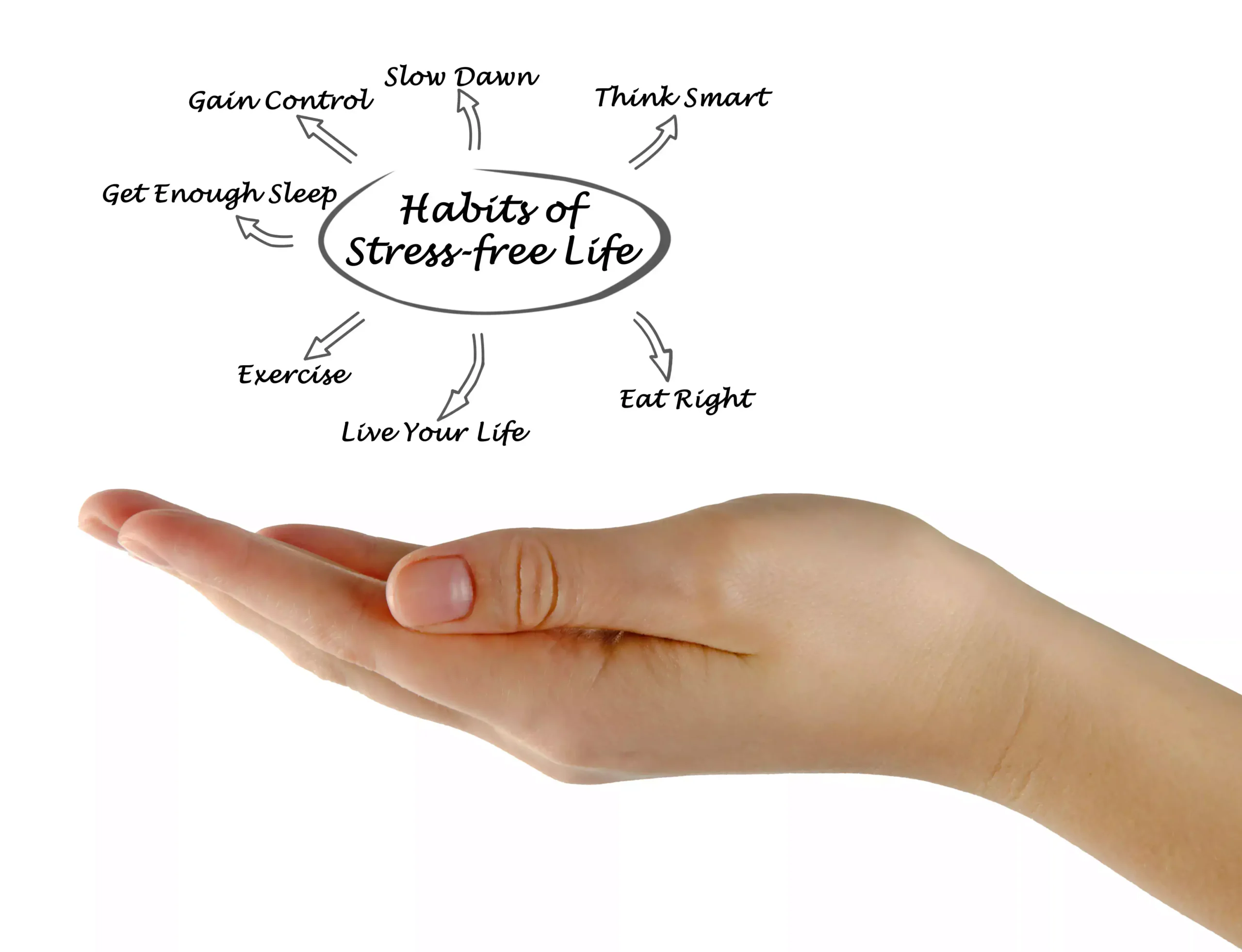
Many people want to feel calmer, but they believe it requires a complete lifestyle overhaul.
New routines. New schedules. New habits that feel overwhelming before they even begin.
The truth is much simpler.
Calm is not created by changing your entire life.
It is restored through small, consistent daily habits that gently support your body and mind where you already are.
Why Calm Feels So Hard to Access Today
Modern life keeps many people in a constant state of mental alert. Even when nothing urgent is happening, the mind rarely slows down.
Calm feels distant because:
The day is filled with interruptions
The mind is always anticipating the next task
Rest is often replaced by screen time
Silence feels uncomfortable or unfamiliar
Calm has not disappeared.
It has simply been crowded out.
Calm Is a Nervous System Experience, Not a Mindset
Many people try to “think” themselves into calm.
They tell themselves to relax, to stop worrying, to be more positive.
But calm is not something you force mentally.
It is something the nervous system experiences physically.
Simple habits that slow the body automatically help quiet the mind.
Start the Day Without Rushing Your Mind
How you begin your day strongly influences how the rest of it feels.
You don’t need a long morning routine.
You only need one intentional moment.
This might be:
Sitting quietly for two minutes before checking your phone
Taking three slow breaths before getting out of bed
Letting your body wake up without immediate stimulation
This small pause sets a calmer tone for the day ahead.
These habits are especially helpful when life feels constantly overwhelming.
🔗 → How to Create Daily Balance When Life Feels Constantly Overwhelming
Breathe Slower Than You Think You Need To
Breathing is one of the fastest ways to restore calm — yet most people breathe shallowly without realizing it.
A simple habit:
Inhale slowly through your nose
Exhale longer than you inhale
Repeat for one minute
Longer exhales signal safety to the nervous system, helping the body shift out of stress mode.
This habit takes less than two minutes — and works almost immediately.
Create Pockets of Quiet Throughout the Day
Calm doesn’t need large blocks of time.
It thrives in small pockets of quiet.
These can include:
Sitting in silence for one minute
Turning off background noise
Stepping outside briefly
Closing your eyes between tasks
These pauses interrupt the constant mental noise that fuels stress.
Reduce Stimulation Before Trying to Add Calm
Many people try to add calming practices while staying overstimulated.
But calm often begins with reducing input, not adding effort.
Try:
Lowering screen brightness
Reducing constant notifications
Avoiding background media while multitasking
Your mind needs less information to process in order to feel calm.
→ When Your Mind Feels Tired But Your Body Cannot Rest
Move Gently Instead of Pushing Your Body
Movement can restore calm — but only when it’s gentle and supportive.
You don’t need intense workouts to feel better.
Simple movement habits include:
Stretching slowly
Walking at a relaxed pace
Moving your body without tracking performance
Gentle movement releases tension without adding stress.
Eat in a Way That Supports Calm
What and how you eat affects your nervous system.
Habits that support calm include:
Eating without rushing
Chewing slowly
Avoiding heavy meals when already stressed
Even one calm meal a day can help regulate your energy and mood.
Stop Multitasking to Calm the Mind
Multitasking keeps the mind fragmented and restless.
Calm increases when you:
Focus on one task at a time
Finish small actions fully
Give your attention to what you’re doing
Single-tasking reduces mental noise and creates a sense of steadiness.
End the Day by Letting the Mind Unwind
Many people end the day the same way they spent it — overstimulated.
A simple evening habit can change this:
Dimming lights
Reducing screen use before bed
Sitting quietly for a few minutes
These cues help your body recognize that it’s safe to rest.
Calm Grows Through Consistency, Not Intensity
The most effective calming habits are not dramatic.
They are consistent.
Doing one small thing every day:
Regulates the nervous system
Reduces baseline stress
Makes calm more accessible over time
Calm is built gently, not forced.
Let Go of the Pressure to Feel Calm All the Time
Calm does not mean the absence of stress or emotion.
Some days will still feel heavy.
Some moments will still feel chaotic.
The goal is not permanent calm.
The goal is greater ease and faster recovery.
Calm often appears when we stop pushing and allow ourselves to pause.
🔗 → Daily Balance Is Not Perfection It Is Learning When to Pause
When Simple Habits Make the Biggest Difference
Simple habits are powerful because they are:
Easy to maintain
Realistic
Adaptable to any life situation
They work especially well when life feels full, demanding, or unpredictable.
You don’t need more discipline.
You need habits that meet you where you are.
A Gentle Truth About Calm
Calm is not something you earn by doing more.
It is something you allow by slowing down — even briefly.
Every small habit that creates space, quiet, or softness matters.
Those moments add up.
Remember This
You don’t need to change your life to feel calmer.
You only need to change how you move through it.
Simple daily habits restore calm not by fixing everything —
but by reminding your body and mind that they are safe, supported, and allowed to rest.
And that reminder, repeated daily, changes more than you expect.



0 Comments