


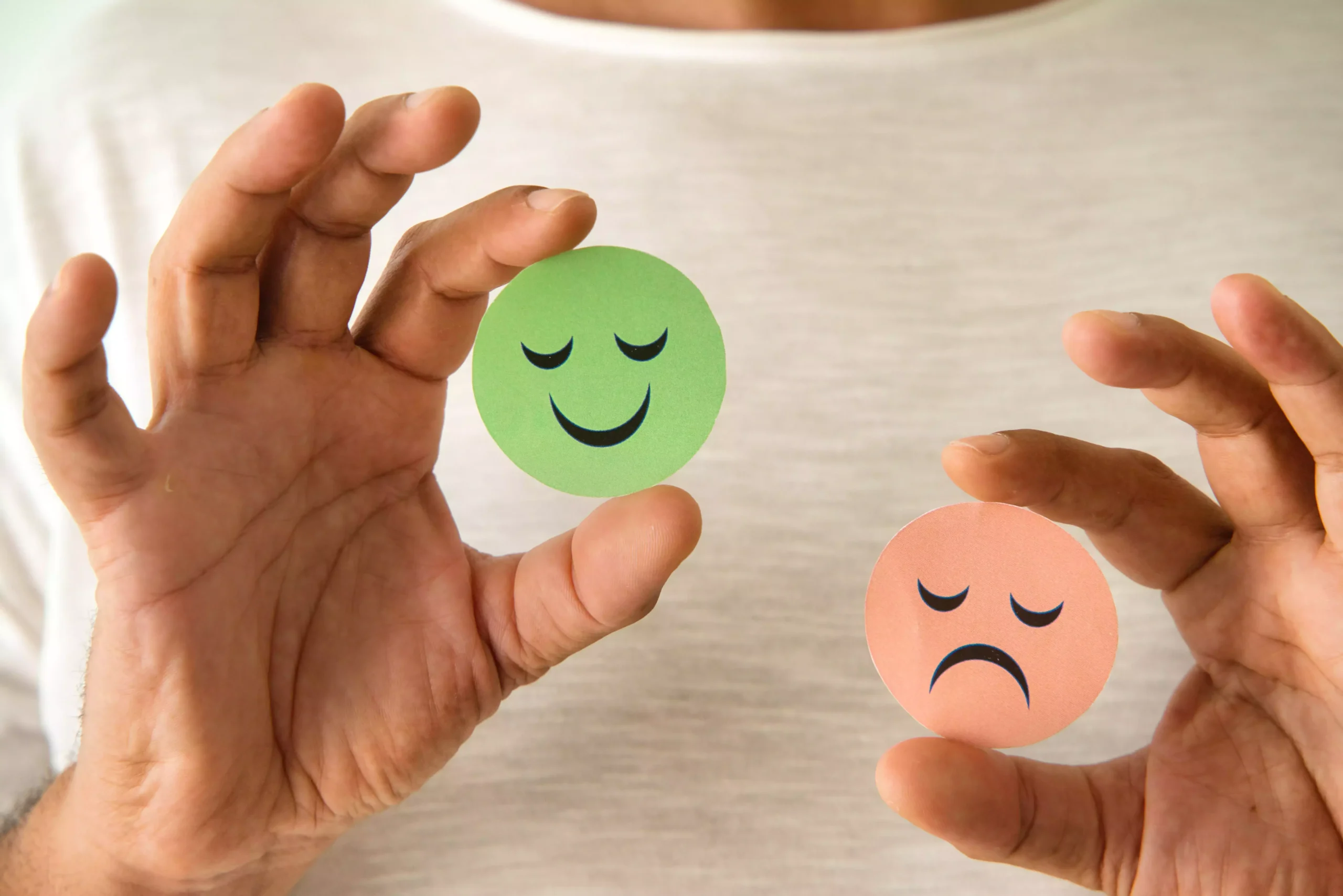
Many people were never taught how to regulate emotions.
They were taught how to control them.
Hide them.
Minimize them.
Ignore them.
For years, emotional suppression can look like strength. You stay calm. You don’t overreact. You appear composed.
But unprocessed emotions do not disappear. They accumulate.
Learning to regulate emotions instead of suppressing them is one of the most powerful skills for long-term mental and emotional health.
The Difference Between Regulation and Suppression
Suppression pushes emotions down.
Regulation allows emotions to move through safely.
When you suppress emotions, you might:
Tell yourself not to cry
Avoid difficult conversations
Distract yourself constantly
Pretend you are unaffected
Suppression says, “This feeling is unacceptable.”
Regulation says, “This feeling is present. Let me understand it.”
The difference is subtle — but life-changing.
Why Suppression Feels Safer
Many people learned early that emotions were inconvenient.
Maybe strong feelings were criticized.
Maybe vulnerability was discouraged.
Maybe composure was praised.
Over time, suppressing emotions becomes automatic.
It feels safer to stay neutral than to risk discomfort.
But what feels safe short-term often becomes harmful long-term.
Suppressed emotions tend to resurface as:
Irritability
Anxiety
Physical tension
Emotional numbness
Sudden outbursts
Suppression postpones processing. It does not eliminate it.
→ Why Emotional Overload Happens and How to Recover Gently
Emotional Regulation Begins With Awareness
You cannot regulate what you do not recognize.
The first step is noticing what you feel — without judgment.
Instead of saying:
“I shouldn’t feel this way.”
Try asking:
What am I feeling right now?
Where do I feel it in my body?
What triggered it?
Naming an emotion reduces its intensity. This is not psychological theory — it is neurological reality.
When you label a feeling, the brain shifts from reactive mode to reflective mode.
Awareness creates space.
Emotions Are Information, Not Threats
Many people treat emotions as problems to solve.
But emotions are signals.
Anger may signal a boundary violation.
Sadness may signal loss.
Anxiety may signal uncertainty.
Frustration may signal unmet needs.
Regulation does not mean eliminating emotion.
It means understanding what the emotion is communicating.
Once you understand the message, the intensity often decreases naturally.
The Body’s Role in Emotional Regulation
Emotions are not only thoughts — they are physical experiences.
When you feel anxious, your heart rate changes.
When you feel angry, your muscles tense.
When you feel sad, your energy shifts.
Regulating emotions requires calming the body first.
Helpful strategies include:
Slow breathing with longer exhales
Grounding techniques (noticing physical surroundings)
Gentle movement
Stretching
Pausing before responding
When the body settles, the mind follows.
The Danger of Emotional Buildup
Suppressed emotions accumulate quietly.
You may not notice them daily.
But eventually, something small triggers a disproportionate reaction.
You snap over minor inconveniences.
You feel overwhelmed suddenly.
You withdraw emotionally without clear reason.
These reactions are rarely about the present moment.
They are the result of accumulated emotional pressure.
Regulation prevents buildup.
Suppression intensifies it.
→ Understanding Anxiety When It Feels Constant and Quiet
Healthy Expression Without Harm
One common fear is that allowing emotions means losing control.
Regulation does not mean explosive expression.
It means safe expression.
Healthy expression might include:
Journaling
Talking to someone you trust
Saying, “I need a moment”
Acknowledging anger without attacking
Allowing tears without shame
Emotions expressed responsibly strengthen relationships.
Emotions suppressed repeatedly weaken them.
Regulating Emotions Strengthens Boundaries
When you understand your emotions, you recognize patterns.
You may notice:
What consistently frustrates you
What drains you
What makes you anxious
This awareness allows you to set boundaries earlier — instead of after resentment builds.
Regulation protects you from emotional overload.
It prevents cycles of burnout and withdrawal.
Emotional Regulation Is a Skill, Not a Personality Trait
Some people appear naturally calm.
But regulation is not about personality.
It is about practice.
It involves:
Pausing before reacting
Questioning automatic thoughts
Checking in with your body
Choosing responses intentionally
The more you practice, the easier it becomes.
No one is emotionally regulated all the time.
Consistency matters more than perfection.
Letting Go of Emotional Shame
Shame often blocks regulation.
You may feel ashamed for:
Feeling angry
Feeling jealous
Feeling insecure
Feeling overwhelmed
But emotions themselves are not shameful.
Behavior can be harmful.
Emotions are neutral signals.
Removing shame allows regulation to occur naturally.
Regulation Improves Mental Health Long-Term
People who regulate emotions effectively often experience:
Lower anxiety
Better relationships
Reduced impulsivity
Greater resilience
Improved sleep
Regulation supports mental stability.
It reduces internal conflict.
It increases self-trust.
You begin to believe that you can handle your emotional world — even when it feels intense.
→ Self Reflection Is Not Weakness It Is Emotional Intelligence
A Gentle Reminder
If you were taught to suppress emotions, you are not broken.
You adapted.
Now you can choose differently.
Learning to regulate emotions instead of suppressing them is not about becoming more emotional.
It is about becoming more balanced.
You are allowed to feel.
You are allowed to pause.
You are allowed to respond instead of react.
Remember This
Emotions are not enemies.
They are guides.
When you stop pushing them down and start listening to them, something shifts.
You become less reactive.
Less overwhelmed.
Less divided inside.
Emotional regulation is not weakness.
It is emotional intelligence in action.
And it is a skill that can transform your mental and relational life.


0 Comments