


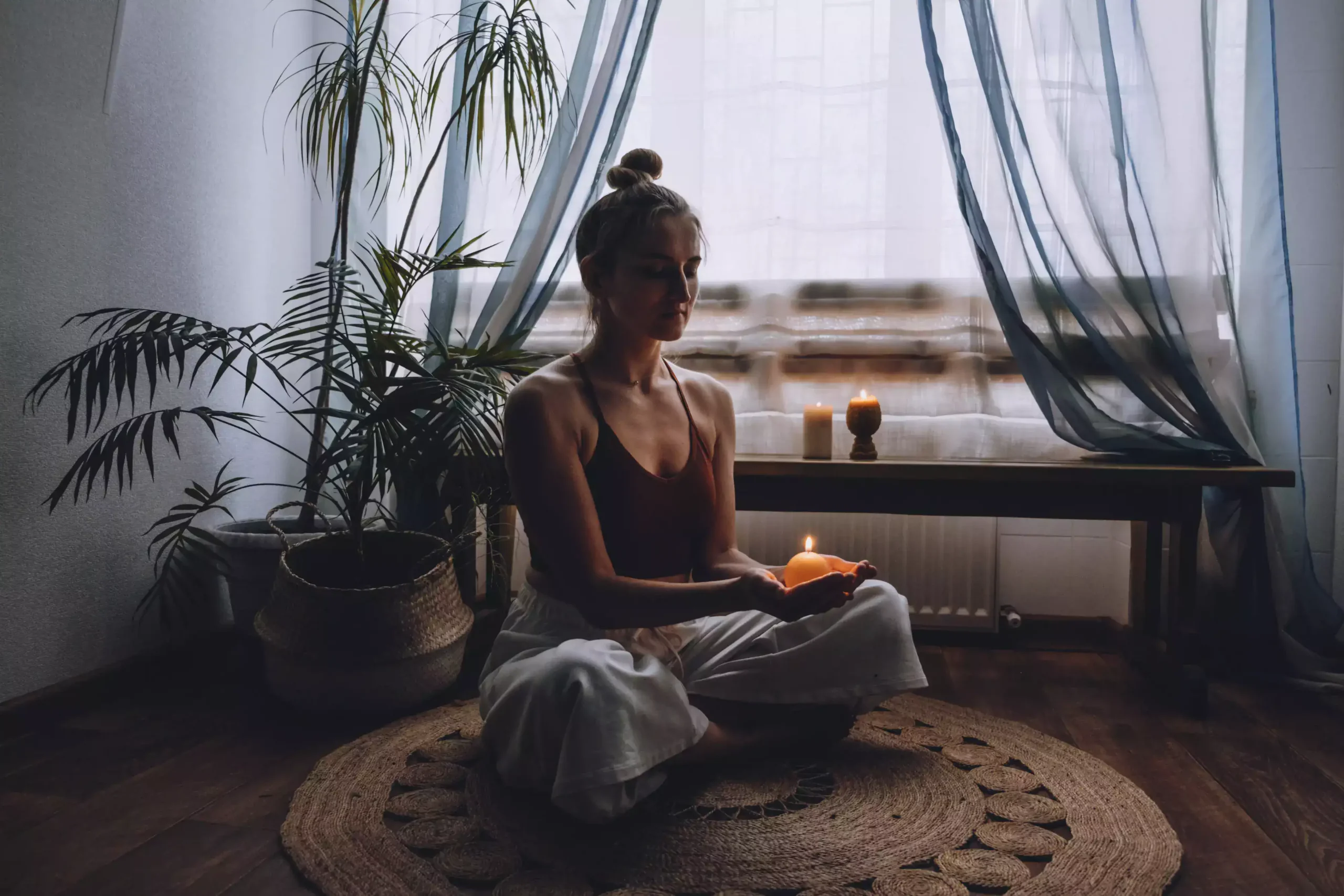
In a fast-paced world, emotional and mental balance often feels fragile. Many people search for big changes—new routines, major lifestyle shifts, or drastic solutions—when what truly makes a difference is much simpler. Small daily rituals, practiced consistently, have a powerful ability to restore emotional calm and mental clarity.
These rituals are not about productivity or perfection. They are about creating moments of stability in everyday life.
What Daily Rituals Really Are
Daily rituals are small, intentional actions repeated regularly. Unlike habits driven by obligation, rituals are chosen with awareness and purpose. They signal safety, rhythm, and care to the mind and body.
A daily ritual might be:
A quiet cup of tea in the morning
A few minutes of stretching
Writing a short reflection
Stepping outside for fresh air
A calming evening routine
The power of rituals lies in their consistency, not their size.
Why Small Rituals Have a Big Impact
The nervous system responds strongly to predictability and repetition. Small rituals create a sense of order and safety, especially during emotionally demanding periods.
Daily rituals help by:
Reducing mental overload
Calming stress responses
Creating emotional grounding
Improving focus and clarity
Over time, these effects accumulate and support emotional balance.
Daily balance often starts in the morning. Creating a gentle morning routine that supports emotional health sets the tone.
➡️ Creating a Gentle Morning Routine That Supports Emotional Health
Emotional Balance Through Predictability
Uncertainty and constant change are major sources of emotional stress. Daily rituals provide predictable anchors in an unpredictable day.
Predictability:
Reduces anxiety
Creates emotional stability
Helps regulate mood
Supports resilience
Even one consistent ritual can become an emotional reset point.
Mental Clarity and Reduced Overstimulation
Modern life is filled with constant stimulation—notifications, information, decisions. Small rituals offer mental pauses that reduce cognitive fatigue.
Rituals support mental balance by:
Limiting decision-making
Creating moments of mental rest
Reducing information overload
Improving concentration
These pauses protect mental energy throughout the day.
How Rituals Support Emotional Regulation
Emotional regulation improves when the body feels safe and supported. Rituals send calming signals to the nervous system, making emotions easier to manage.
Benefits include:
Reduced emotional reactivity
Faster emotional recovery
Greater emotional awareness
Increased sense of control
Rituals do not eliminate emotions—they help you respond to them more calmly.
Rituals reduce emotional overload. Learning how to recognize early signs of emotional overload supports prevention.
➡️ How to Recognize Early Signs of Emotional Overload
Examples of Simple Daily Rituals
Rituals do not need to be elaborate to be effective.
Morning Rituals
Gentle stretching
Quiet breathing
Setting an intention for the day
Midday Rituals
Stepping away from screens
Short mindful walks
Pausing for deep breathing
Evening Rituals
Reflective journaling
Soft lighting
Calm music or reading
The best rituals are the ones you can maintain without pressure.
Consistency Matters More Than Duration
Many people abandon wellness practices because they aim for too much. Rituals work best when they are small and realistic.
Consistency:
Builds trust with yourself
Creates emotional safety
Supports long-term balance
Five minutes every day is more powerful than an hour once a week.
Rituals During Stressful or Difficult Periods
Daily rituals become especially important during periods of stress, illness, or emotional overload.
During difficult times, rituals:
Provide stability
Reduce emotional chaos
Offer moments of control
Support recovery
They act as emotional anchors when life feels unsteady.
Creating Rituals Without Pressure
Rituals should never feel like obligations. When pressure appears, their calming effect disappears.
To keep rituals supportive:
Choose activities you enjoy
Keep expectations flexible
Allow rituals to change over time
Let go of perfection
Rituals are meant to support you—not add stress.
Rituals are especially helpful during illness. Understanding how chronic illness changes your daily life more than you expect adds context.
➡️ How Chronic Illness Changes Your Daily Life More Than You Expect
Practical Tools That Support Daily Rituals
Some people find it helpful to use simple tools to maintain rituals.
Helpful tools may include:
Journals or planners
Gentle reminders
Calm playlists
Comfortable spaces
When Small Rituals Are Enough—and When More Support Is Needed
Daily rituals are powerful, but they are not a replacement for support when emotional distress becomes overwhelming.
Additional support may be helpful if:
Emotional distress persists
Anxiety or sadness feels constant
Daily functioning is affected
Rituals work best as part of a broader approach to well-being.
Restoring Balance One Small Moment at a Time
Emotional and mental balance is not restored through drastic change. It is rebuilt quietly, through small moments of care repeated daily.
By creating simple rituals that support calm, clarity, and presence, balance becomes more accessible—even in demanding circumstances.
Wellness grows in small, steady steps.



0 Comments