


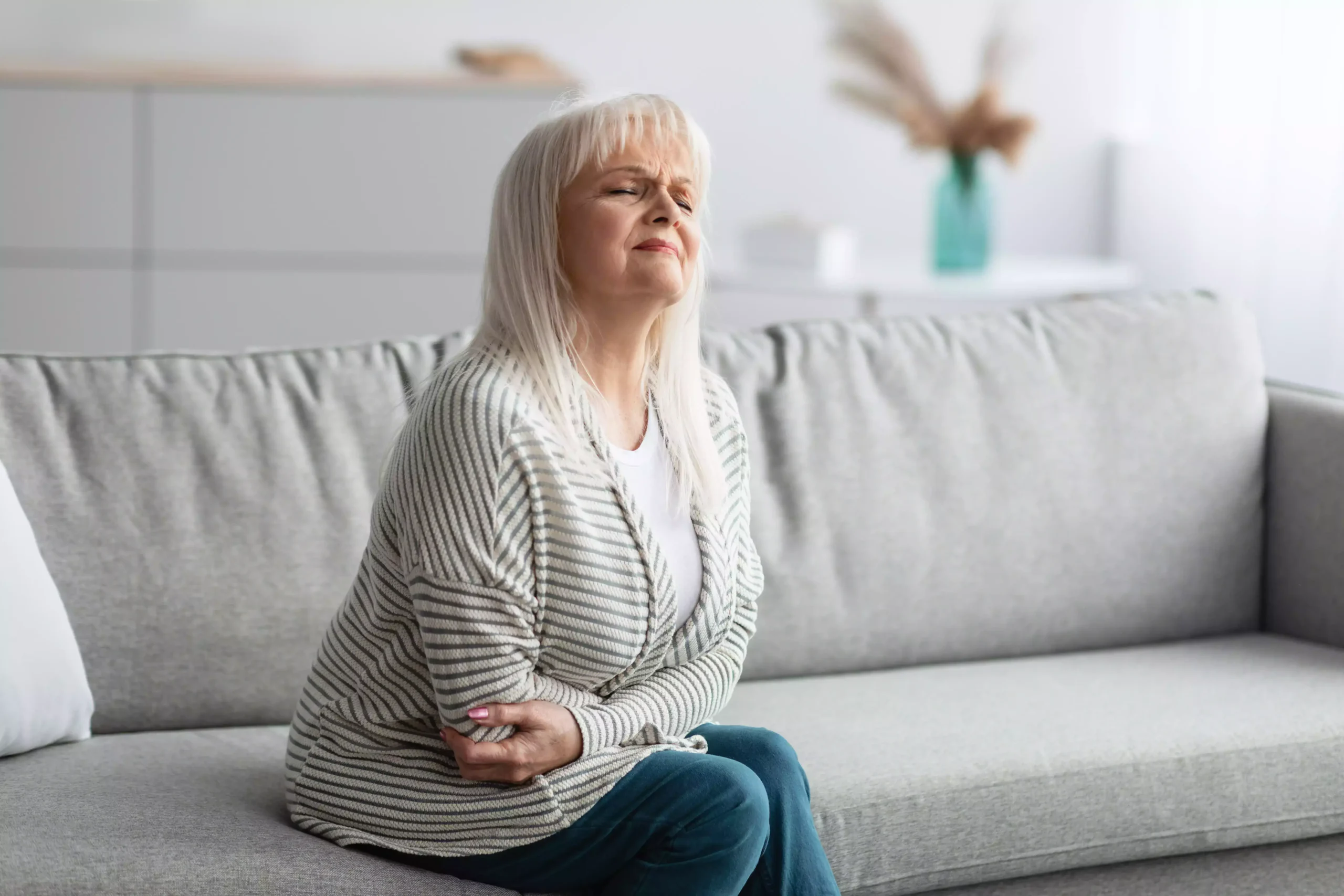
Living with ongoing health issues often brings emotional ups and downs that are difficult to predict. Even when symptoms are managed, emotional stability can feel fragile. Many people expect emotional balance to return once they “adjust,” but chronic illness requires ongoing emotional care, not a one-time adaptation.
Finding emotional stability is not about eliminating difficult emotions—it is about learning how to live with them in a way that feels balanced, grounded, and sustainable.
Why Emotional Stability Feels Harder With Chronic Illness
Chronic illness introduces long-term uncertainty into daily life. Unlike short-term challenges, there is often no clear endpoint, which can keep emotions in a state of fluctuation.
Emotional stability becomes harder because:
Symptoms may change unpredictably
Energy levels vary day to day
The future feels uncertain
Emotional recovery is interrupted by ongoing demands
This instability is a response to circumstances, not a personal weakness.
Understanding Emotional Fluctuations
People living with ongoing health issues often experience emotional shifts that feel sudden or confusing.
Common emotional fluctuations include:
Calm followed by anxiety
Acceptance followed by grief
Motivation followed by exhaustion
Hope mixed with frustration
These emotional waves are a normal part of living with long-term health conditions.
Emotional stability develops gradually. Revisiting the emotional impact of living with a long-term health condition reinforces understanding.
➡️ The Emotional Impact of Living With a Long-Term Health Condition
The Role of Acceptance in Emotional Stability
Acceptance is a foundation for emotional stability. This does not mean liking or approving of illness—it means acknowledging reality without constant resistance.
Acceptance helps by:
Reducing emotional conflict
Lowering stress responses
Conserving emotional energy
Creating space for adaptation
When resistance decreases, emotional balance becomes easier to maintain.
Emotional Stability Is Not Emotional Flatness
Many people equate stability with feeling “fine” all the time. In reality, emotional stability allows emotions to come and go without overwhelming you.
Emotional stability means:
Feeling emotions without being consumed by them
Recovering more quickly from emotional dips
Maintaining perspective during difficult moments
Staying connected to yourself
It is flexibility, not emotional numbness.
Building Emotional Stability Through Daily Awareness
Emotional stability grows through consistent awareness rather than control.
Helpful practices include:
Checking in with emotions daily
Naming feelings without judgment
Recognizing emotional triggers
Allowing rest during emotional fatigue
Awareness prevents emotions from accumulating unnoticed.
Supporting the Nervous System
Emotional stability is closely linked to nervous system regulation. Chronic illness can keep the nervous system in a heightened state of alert.
Supporting the nervous system helps by:
Reducing emotional reactivity
Improving mood regulation
Increasing resilience to stress
Simple practices such as slow breathing, rest, and calming routines can have a significant impact.
Emotional calm requires boundaries. Understanding why emotional boundaries are essential for mental health strengthens resilience.
➡️ Why Emotional Boundaries Are Essential for Mental Health
Creating Emotional Safety in Daily Life
Emotional stability improves when daily life feels emotionally safe.
This may involve:
Setting emotional boundaries
Limiting emotionally draining interactions
Creating predictable routines
Allowing flexibility when energy is low
Safety allows the nervous system and emotions to settle.
Letting Go of Self-Judgment
Many people living with chronic illness judge themselves for emotional reactions they believe they “should be over by now.”
Letting go of self-judgment involves:
Accepting emotional responses as normal
Releasing comparisons to others
Acknowledging effort rather than outcome
Practicing self-compassion
Self-kindness strengthens emotional stability.
Practical Tools That Support Emotional Balance
Small, supportive tools can make emotional regulation easier.
Helpful tools may include:
Emotional journaling
Mindfulness practices
Gentle movement
Calm environments
Supportive routines
Recovery improves with rest. Learning how consistent rest habits improve daily energy and emotional calm supports balance.
➡️ How Consistent Rest Habits Improve Daily Energy and Emotional Calm
When Emotional Stability Feels Out of Reach
There may be times when emotional balance feels impossible despite best efforts.
Support may be helpful if:
Emotional distress persists
Anxiety or sadness feels constant
Emotional overwhelm interferes with daily life
You feel isolated or hopeless
Support strengthens emotional capacity—it does not replace it.
Living With Emotional Stability, Not Perfection
Emotional stability while living with ongoing health issues is not about achieving a permanent state of calm. It is about building the ability to return to balance again and again.
Through acceptance, awareness, boundaries, and compassion, emotional stability becomes more accessible—even in the presence of ongoing health challenges.
You are not required to feel strong all the time. Stability grows from honesty, patience, and care.



0 Comments