

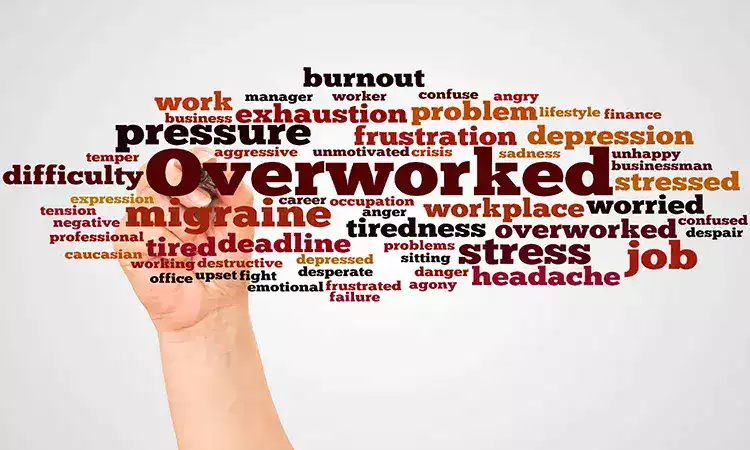
You wake up with a long list of things to do. Before you even get out of bed, your brain is already running through the day: appointments to schedule, medications to manage, calls to return, meals to prepare, and the endless stream of small tasks that keep life moving. You push through the morning, then the afternoon, checking things off your list but never quite feeling caught up. By evening, you’re not just tired—you’re fragile. The smallest thing—a spilled drink, a critical comment, an unexpected delay—sends you over the edge. You snap at someone you love. You burst into tears. You feel like you’re falling apart.
This is mental overload, and it doesn’t just affect your ability to think clearly. It fundamentally alters your emotional landscape. When your mind is carrying too much, your capacity to regulate your emotions diminishes. You become more reactive, more sensitive, more prone to anxiety, irritability, and despair. Understanding the connection between mental overload and emotional balance is essential for anyone navigating the demands of caregiving, chronic illness, or high-stress living. In this article, we will explore what mental overload is, how it disrupts your emotional equilibrium, and what you can do to restore balance when your mind is stretched to its limits.
What Is Mental Overload?
Mental overload occurs when the demands placed on your cognitive resources exceed your capacity to manage them. It’s the feeling of having too much in your head—too many tasks, too many worries, too many decisions, too much information—and not enough space to process it all. Your brain becomes saturated, like a sponge that has absorbed all the water it can hold. Any additional input, no matter how small, causes overflow.
For caregivers and those managing chronic conditions, mental overload is not an occasional inconvenience; it’s often a daily reality. You are responsible for tracking medications, monitoring symptoms, coordinating appointments, managing finances, providing emotional support, and maintaining your own life. This constant cognitive demand leaves little room for rest or recovery. Your brain is always working, always processing, always on alert. The result is a state of chronic mental overload that affects every aspect of your wellbeing.
Mental overload is different from simple busyness. Being busy means you have a lot to do. Mental overload means the volume of cognitive demands has exceeded your processing capacity. You can be busy without being overloaded, and you can be overloaded even when you’re not physically busy. The key factor is not the number of tasks but the cognitive weight of those tasks—the mental effort required to keep track of everything, make decisions, and manage uncertainty.
The Cognitive-Emotional Connection
To understand how mental overload affects emotional balance, it’s helpful to recognize that cognition and emotion are not separate systems. They are deeply intertwined. The same brain regions that handle thinking, planning, and decision-making also play a role in emotional regulation. The prefrontal cortex, for example, is responsible for executive functions like attention, working memory, and impulse control. It also helps regulate emotional responses by inhibiting the amygdala—the brain’s fear center—when a threat is not actually dangerous.
When your cognitive resources are depleted by mental overload, your prefrontal cortex doesn’t function as effectively. It loses some of its ability to regulate the amygdala. This means your emotional responses become stronger and harder to control. You feel things more intensely, and you have less capacity to pause, reflect, and choose your response. You’re more likely to react impulsively, to misinterpret neutral situations as threatening, and to become overwhelmed by emotions that would normally be manageable.
This is why you might find yourself crying over a minor frustration, snapping at someone who didn’t do anything wrong, or feeling waves of anxiety that seem disproportionate to the situation. Your brain is so exhausted from managing cognitive demands that it can no longer effectively manage emotional demands. The result is a loss of emotional balance.
How Mental Overload Disrupts Emotional Balance
Mental overload affects emotional balance in several specific ways. Understanding these effects can help you recognize when your emotional struggles are rooted in cognitive exhaustion rather than personal weakness or character flaws.
1. Reduced Frustration Tolerance
When your mental resources are depleted, small frustrations become major triggers. The traffic jam, the spilled coffee, the uncooperative computer—these minor annoyances feel unbearable. You lose patience quickly because you have no buffer left. Your nervous system is already at its limit, so any additional stress feels like an emergency. This reduced frustration tolerance is not a sign that you’re becoming a difficult person; it’s a sign that your cognitive tank is empty.
2. Emotional Flooding
Emotional flooding occurs when intense emotions overwhelm your capacity to think clearly. During mental overload, the threshold for flooding drops significantly. You may find yourself suddenly overcome by sadness, anger, or fear—feelings that seem to come out of nowhere and are disproportionate to the trigger. This happens because your prefrontal cortex, which normally helps you modulate emotional responses, is too exhausted to do its job. The emotions rush in unchecked, leaving you feeling swept away.
3. Increased Anxiety and Worry
Mental overload and anxiety feed each other in a vicious cycle. When your mind is overloaded, you have less capacity to manage uncertainty, which increases anxiety. This anxiety then adds to your mental load, further depleting your cognitive resources. You may find yourself worrying constantly, imagining worst-case scenarios, and feeling a persistent sense of dread that you can’t shake. This anxiety is not necessarily a sign of an anxiety disorder; it may simply be a symptom of a mind stretched beyond its limits.
4. Emotional Numbness and Detachment
While some people experience emotional flooding under mental overload, others experience the opposite: emotional numbness. Your brain, overwhelmed by cognitive demands, simply shuts down emotionally. You stop feeling much of anything. You go through the motions of life without joy, sadness, or connection. This detachment is a protective mechanism—your brain is trying to conserve energy by disengaging from emotional processing. But it comes at a cost, leaving you feeling disconnected from yourself and the people you love.
5. Guilt and Self-Criticism
Mental overload often leads to a harsh inner voice. You criticize yourself for not handling things better, for being too emotional, for failing to keep up with your responsibilities. You feel guilty for snapping at your loved ones, for forgetting important tasks, for not being the person you think you should be. This self-criticism adds to your emotional burden and deepens your exhaustion. It’s important to recognize that this guilt is a symptom of overload, not a reflection of your true character.
6. Empathy Fatigue
For caregivers, mental overload can lead to a specific form of emotional exhaustion called empathy fatigue or compassion fatigue. When your cognitive resources are depleted, your capacity for empathy diminishes. You find it harder to care about others’ feelings, to offer emotional support, or to feel compassion for the person you’re caring for. This loss of empathy can be deeply distressing, causing guilt and self-doubt. But it’s not a sign that you’re a bad person—it’s a sign that you’re running on empty.
The Physical Manifestations of Mental Overload
The effects of mental overload are not limited to your mind and emotions. Your body also feels the strain. Chronic cognitive stress activates the sympathetic nervous system, keeping your body in a state of heightened arousal. This can lead to a range of physical symptoms, including:
Headaches and migraines
Muscle tension, especially in the neck, shoulders, and jaw
Digestive issues, such as stomachaches, nausea, or irritable bowel syndrome
Sleep disturbances, including difficulty falling asleep or staying asleep
Fatigue that doesn’t improve with rest
Weakened immune function, leading to frequent illnesses
Chest tightness or rapid heartbeat
These physical symptoms add another layer of burden to your already overloaded system. They also serve as a reminder that mental overload is not just “in your head”—it affects your entire body.
Strategies to Restore Emotional Balance During Mental Overload
The good news is that emotional balance can be restored, even when your mind is overloaded. The key is to address the root cause—the cognitive overload itself—while also providing direct support for your emotional regulation. Here are practical strategies to help you regain your equilibrium.
1. Reduce Cognitive Load
The most effective way to restore emotional balance is to reduce the cognitive demands on your brain. This means simplifying your life wherever possible. Use the strategies from previous articles: create routines, reduce decision fatigue, externalize your thoughts through brain dumps, and delegate when you can. Every task you eliminate, every decision you simplify, every worry you release creates space in your mind for emotional processing.
2. Practice Grounding Techniques
When you feel emotionally overwhelmed, grounding techniques can help bring you back to the present moment and reduce the intensity of your feelings. Try the 5-4-3-2-1 technique: notice five things you can see, four things you can touch, three things you can hear, two things you can smell, and one thing you can taste. This sensory focus interrupts the emotional spiral and anchors you in the here and now.
3. Use the “Pause and Breathe” Strategy
When you feel yourself about to react emotionally—snapping, crying, shutting down—pause. Take three slow, deep breaths. Inhale through your nose for a count of four, hold for four, exhale through your mouth for six. This simple practice activates your parasympathetic nervous system, lowering your stress response and giving your prefrontal cortex a chance to re-engage. Even a few seconds of pause can make a difference.
4. Label Your Emotions
When emotions feel overwhelming, naming them can reduce their intensity. This is called affect labeling. Simply say to yourself, “I’m feeling angry,” “I’m feeling scared,” or “I’m feeling sad.” The act of putting your emotions into words activates the prefrontal cortex and reduces activity in the amygdala. It creates distance between you and your feelings, allowing you to observe them rather than being consumed by them.
5. Practice Self-Compassion
Mental overload often triggers self-criticism, which only deepens your emotional distress. Counteract this with self-compassion. When you notice the harsh inner voice, pause and ask: “What would I say to a friend in this situation?” Then offer yourself those same words of kindness. Remind yourself that you’re doing your best under difficult circumstances, that it’s okay to struggle, and that your worth is not measured by your productivity.
6. Create Emotional Release Valves
Emotions that are bottled up add to your mental load and eventually explode. Create regular opportunities for emotional release. This could be journaling, talking to a trusted friend, crying, screaming into a pillow, or engaging in creative expression like art or music. The goal is not to fix your emotions but to let them flow through you. Emotional release reduces internal pressure and restores a sense of balance.
7. Protect Your Sleep
Sleep is essential for both cognitive and emotional recovery. During sleep, your brain processes emotions, consolidates memories, and clears out metabolic waste. When mental overload disrupts your sleep, you lose this critical recovery time. Prioritize sleep hygiene: create a consistent bedtime routine, limit screen time before bed, keep your room dark and cool, and avoid caffeine in the afternoon. If your mind races when you lie down, try a mental download before bed—writing down everything that’s on your mind so you can release it.
8. Set Boundaries Around Emotional Labor
As a caregiver or emotionally supportive person, you may feel obligated to absorb others’ emotions. But this emotional labor is exhausting and contributes to mental overload. Set boundaries around how much emotional support you can offer. It’s okay to say, “I care about you, but I don’t have the capacity to talk about this right now.” Protecting your emotional energy is not selfish; it’s necessary for your survival and for your ability to continue caring for others.
9. Seek Connection and Support
Mental overload tends to isolate. You withdraw because you don’t have the energy to engage with others. But isolation worsens emotional distress. Reach out to someone who understands—a friend, a family member, a support group, or a therapist. Sharing your burden lightens it. Even a brief conversation with someone who “gets it” can restore a sense of connection and reduce the feeling of being alone in your struggles.
10. Recognize When You Need Professional Help
Sometimes, mental overload and emotional imbalance are too much to manage on your own. If you’re experiencing persistent symptoms of anxiety or depression, if you’re having thoughts of self-harm, or if you feel like you’re losing control, please reach out to a healthcare provider or mental health professional. There is no shame in seeking help. In fact, recognizing that you need support is a sign of wisdom and strength.
The Importance of Prevention
While these strategies can help you restore emotional balance during mental overload, prevention is even more effective. The goal is to avoid reaching the point of overload in the first place. This means building sustainable habits that protect your cognitive and emotional resources on a daily basis.
Prioritize rest before you’re exhausted. Take micro-breaks throughout the day, even when you don’t feel you need them. Practice saying no to commitments that will stretch you too thin. Build margin into your schedule so that unexpected demands don’t push you over the edge. Treat your mental and emotional energy as the precious resources they are, and protect them accordingly.
A Message for Caregivers
If you are a caregiver, you may feel that your emotional struggles are a sign that you’re failing. You may believe that you should be able to handle everything without breaking down. But the truth is that caregiving is one of the most demanding roles a person can take on, and mental overload is a natural response to sustained cognitive and emotional strain.
Your emotional reactions—the tears, the frustration, the numbness—are not signs of weakness. They are signals that you are human, that you are carrying a heavy load, and that you need support. You deserve the same compassion you offer to others. You deserve rest, connection, and care. And you don’t have to do this alone.
Conclusion
Mental overload is not just a thinking problem—it’s an emotional problem. When your cognitive resources are depleted, your capacity for emotional regulation diminishes, leaving you reactive, overwhelmed, and disconnected from yourself. Understanding this connection is the first step toward reclaiming your emotional balance. By reducing your cognitive load, practicing grounding techniques, seeking support, and treating yourself with compassion, you can restore equilibrium even in the midst of demanding circumstances. Your mind and your heart are connected, and caring for one means caring for the other. You are not broken; you are overloaded. And with the right support and practices, you can find your way back to balance.


0 Comments