

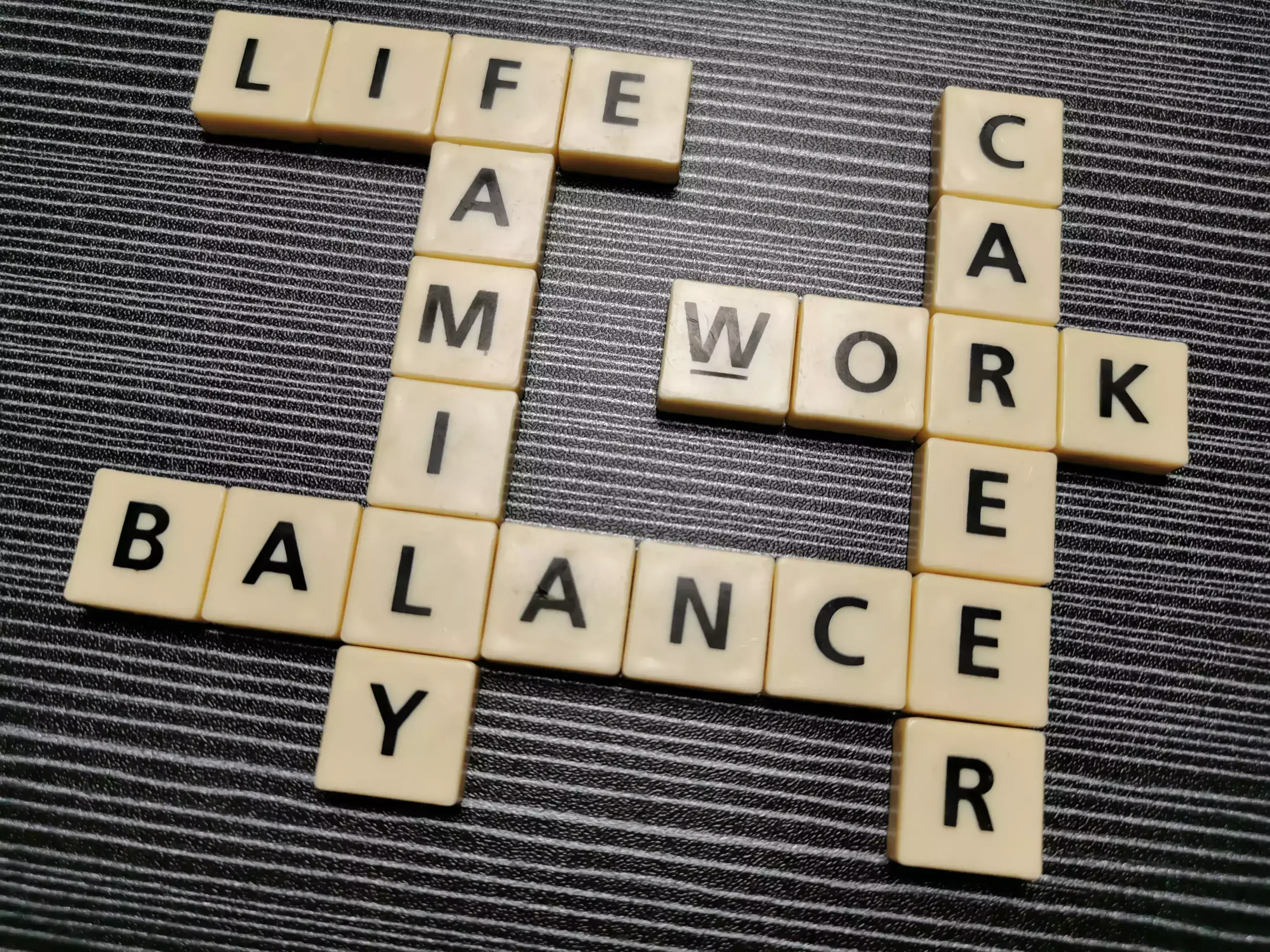
Many people chase balance as if it were a flawless state — calm mornings, productive days, peaceful evenings, and emotional control at all times. When reality doesn’t match that image, frustration quickly follows.
But daily balance was never meant to be perfection.
Real balance is quieter.
It is found in learning when to pause, even when life feels unfinished, messy, or demanding.
Why We Confuse Balance With Perfection
From an early age, many people learn that doing well means doing everything right.
This belief carries into adulthood:
Be productive and calm
Be caring but never tired
Be responsible but never overwhelmed
When balance is tied to perfection, it becomes unreachable.
Any bad day feels like failure.
Any pause feels undeserved.
True balance begins when we separate wellbeing from performance.
The Pressure to Keep Going No Matter What
Modern life rewards constant movement.
Stopping can feel uncomfortable because:
There is always more to do
Pausing feels unproductive
Rest feels like falling behind
Many people push through exhaustion without realizing they are ignoring important signals.
The body and mind are constantly communicating.
Pausing is how we listen.
Small pauses are often built from simple daily habits.
🔗 → Simple Daily Habits That Restore Calm Without Changing Your Life
A Pause Is Not Giving Up
One of the biggest fears around pausing is the belief that it means quitting or failing.
In reality, a pause is:
A reset
A moment of awareness
A choice to respond rather than react
Pausing does not stop progress.
It often prevents collapse.
Balance Lives in the Small Moments
Daily balance is not created through dramatic changes.
It is built through small, ordinary pauses:
Taking a breath before responding
Sitting quietly for a minute
Stopping a task before exhaustion
Choosing rest instead of pushing further
These moments may seem insignificant, but they regulate stress and protect emotional health.
Learning to Pause Without Guilt
Guilt is one of the biggest barriers to balance.
You may feel guilty for:
Resting when tasks remain
Saying no to others
Not meeting your own expectations
But guilt does not reflect truth — it reflects conditioning.
Pausing is not something you earn after exhaustion.
It is something you need before exhaustion.
Pausing Helps the Nervous System Recover
Stress keeps the nervous system in a state of alert.
Without pauses:
The body stays tense
Sleep becomes shallow
Emotions become reactive
Fatigue feels constant
Pauses signal safety to the body.
Even brief moments of stillness allow the nervous system to reset, making balance possible.
Balance Means Knowing When Enough Is Enough
One of the most important skills for daily balance is recognizing when to stop.
This means:
Ending tasks before depletion
Accepting “good enough”
Leaving some things unfinished
Perfection demands endless effort.
Balance respects limits.
→ Why Chronic Illness Forces You to Slow Down Even When You Resist
Pausing Creates Emotional Clarity
When life is fast, emotions blur together.
Pausing creates space to notice:
What you are feeling
What you need
What can wait
Clarity does not come from pushing harder.
It comes from slowing down enough to listen.
Why Pausing Feels Uncomfortable at First
For many people, pausing brings discomfort.
Silence can surface:
Anxiety
Sadness
Uncertainty
Fatigue
This does not mean pausing is harmful.
It means your system finally has room to express what it’s been carrying.
With time, pauses feel less threatening and more supportive.
Pauses Do Not Need to Be Long
You don’t need hours of free time to restore balance.
Effective pauses can be:
One slow breath
One minute of quiet
A brief stretch
A moment of stillness between tasks
Balance is built through frequency, not duration.
Let Go of the Idea of a Perfect Routine
Many people delay balance because they believe they need the “right” routine.
But balance adapts to life — not the other way around.
Some days will allow longer pauses.
Some days will only allow brief ones.
Both count.
Balance is flexible, not rigid.
Pausing Is an Act of Self-Respect
Choosing to pause communicates something important to yourself:
“My wellbeing matters.”
This message, repeated daily, changes how you relate to stress, responsibility, and self-worth.
Pausing is not indulgence.
It is respect.
When Life Feels Too Full, Pause Anyway
The moments when pausing feels impossible are often the moments when it’s most needed.
When life feels:
Chaotic
Emotionally heavy
Overstimulating
That is the moment to slow down — even briefly.
Pauses create stability inside uncertainty.
Pausing becomes essential when emotional balance feels out of reach.
🔗 → Finding Emotional Balance When You Feel Pulled in Every Direction
Balance Is Built Through Gentle Choices
Daily balance is not achieved by controlling life.
It is built through gentle, repeated choices:
To stop before exhaustion
To rest without justification
To listen instead of push
These choices shape how life feels from the inside.
A New Definition of Balance
Balance does not mean:
Everything is calm
Nothing goes wrong
You never feel overwhelmed
Balance means:
You notice when you are overwhelmed
You pause instead of pushing
You respond with care
That is real balance.
A Gentle Reminder About Pausing
You do not need permission to pause.
You do not need to finish everything first.
You do not need to justify rest.
Pausing is how balance returns — quietly, steadily, and without perfection.
Remember This
Daily balance is not about getting life right.
It is about staying connected to yourself as life unfolds.
Every pause is an invitation to reset.
Every pause is a form of care.
And when you learn to pause — even in small ways —
balance stops being something you chase
and becomes something you live.


0 Comments