


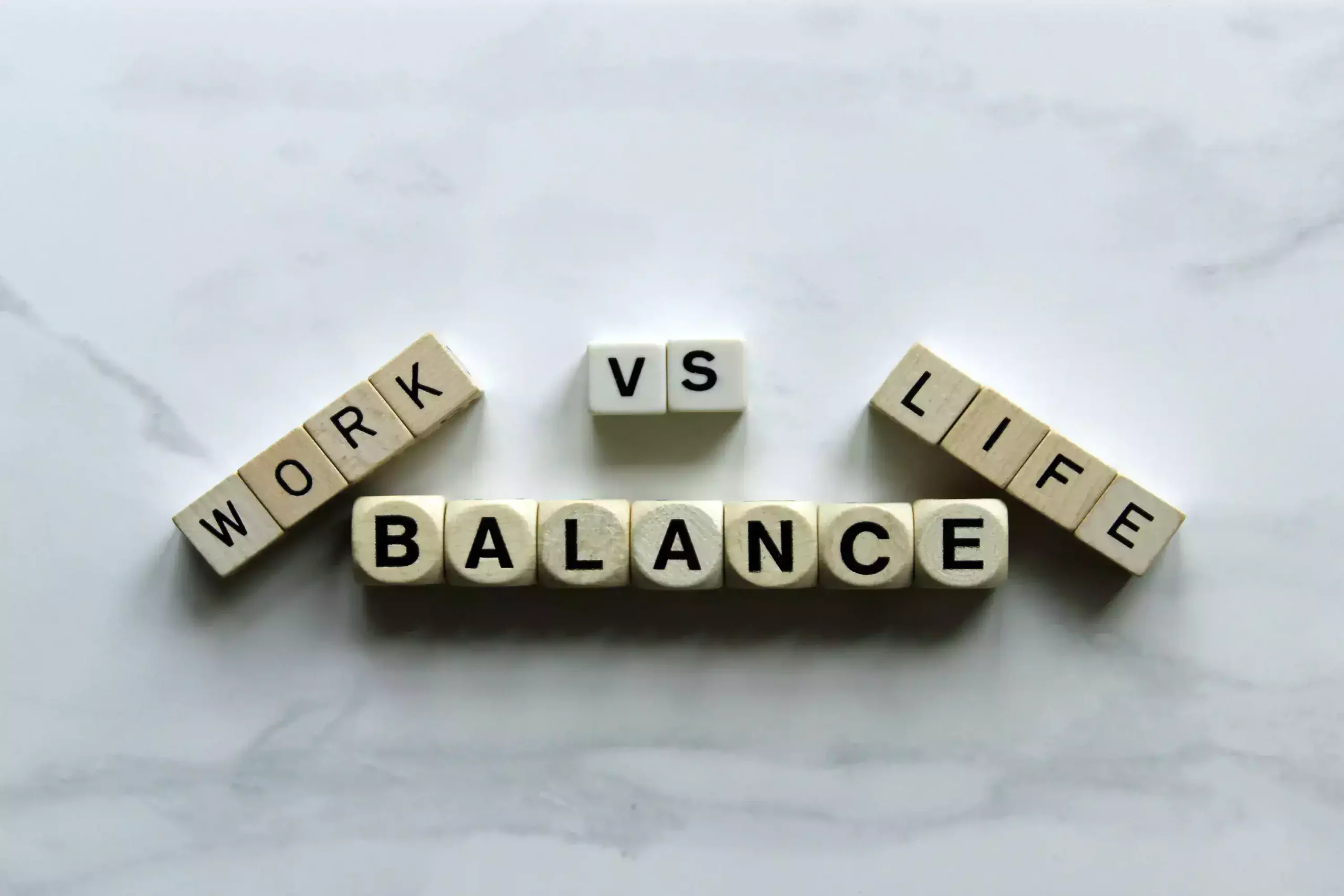
Many people believe balance is something you achieve once and then keep forever.
In reality, balance is something you practice daily, especially when life feels overwhelming.
When responsibilities pile up, stress becomes constant, and there’s little time to pause, the idea of “daily balance” can feel unrealistic — even frustrating. But balance is not about doing everything perfectly. It’s about learning how to move through your days with less pressure and more awareness.
Why Life Feels So Overwhelming Today
Modern life often demands constant attention. Between work, family, health concerns, responsibilities, and expectations, many people live in a state of continuous mental alert.
You may feel overwhelmed because:
Your schedule leaves little room to breathe
You’re mentally “on” all the time
You carry emotional responsibilities for others
Rest feels unproductive or undeserved
Overwhelm is not a personal flaw.
It is a natural response to too much stimulation and too little recovery.
Daily Balance Is Not About Doing More
When people feel overwhelmed, they often try to fix it by adding more:
More routines
More self-improvement
More productivity
But balance is rarely created by adding.
More often, it comes from simplifying.
Daily balance begins when you ask:
What is draining me the most right now?
What can be softened, slowed, or simplified?
Where can I create even a small pause?
Balance grows from subtraction, not perfection.
Daily balance often starts with small habits that gently restore calm.
🔗 → Simple Daily Habits That Restore Calm Without Changing Your Life
Let Go of the Idea of a “Perfect Day”
Many people chase balance by imagining an ideal day — calm mornings, productive afternoons, peaceful evenings.
When reality doesn’t match this image, frustration grows.
The truth is:
Some days will be heavy
Some days will feel chaotic
Some days will not go as planned
Daily balance does not mean every day feels good.
It means you learn how to respond gently to the days that don’t.
Start with One Stable Anchor in Your Day
When life feels overwhelming, balance starts with one consistent point, not a full routine.
This anchor could be:
A quiet morning moment
A short walk
A cup of tea without distractions
A few minutes of breathing before sleep
This anchor tells your nervous system:
“There is at least one moment of calm today.”
Over time, one stable anchor can shift how your entire day feels.
Balance Begins in the Nervous System
Overwhelm is not only mental — it’s physical.
When stress becomes constant, the nervous system stays in a heightened state, making it hard to relax even when nothing urgent is happening.
To support daily balance:
Slow your breathing intentionally
Reduce constant noise and screen time
Create brief moments of stillness
Calm is not a luxury.
It is a biological need.
Stop Treating Rest as a Reward
Many people delay rest until everything is finished — which rarely happens.
Rest becomes something you earn instead of something you need.
Daily balance improves when rest is:
Planned, not postponed
Short but consistent
Free of guilt
Rest does not mean doing nothing all day.
It means giving your body and mind moments to reset.
→ Why Emotional Overload Happens and How to Recover Gently
Emotional Balance Comes from Realistic Expectations
One of the biggest causes of daily imbalance is unrealistic expectation — especially self-expectation.
You may expect yourself to:
Handle stress calmly at all times
Be emotionally available to everyone
Stay productive no matter how you feel
These expectations quietly drain your emotional energy.
Balance improves when you allow yourself to be:
Tired
Imperfect
Human
Self-compassion is a powerful stabilizer.
Create Space Between Tasks, Not Just Time
Many people rush from one task to another without pause.
This constant transition overloads the mind.
Try creating small spaces between activities:
One deep breath before the next task
Standing up and stretching
A brief mental reset
These small pauses reduce the feeling of being constantly “behind.”
Daily Balance Is About Energy, Not Time
Balance is often framed as time management, but it’s really about energy management.
Ask yourself:
What activities give me energy?
What drains me the most?
Where can I protect my energy better?
You may not control how much time you have — but you can learn how to use your energy more intentionally.
Learn to Say “Enough” Without Explaining
One of the most powerful tools for daily balance is learning to stop before exhaustion.
This may look like:
Saying no without guilt
Ending a task before you are depleted
Accepting that “good enough” is enough
You do not need to justify your limits.
Limits are not failures — they are boundaries that protect balance.
Sometimes balance improves not by doing more, but by intentionally doing less.
🔗 → Why Doing Less Can Actually Improve Your Mental Wellbeing
Balance Looks Different in Every Season of Life
What feels balanced today may not work next year.
Life changes. Energy changes. Needs change.
Daily balance is not a fixed formula.
It is an ongoing adjustment.
When you stop comparing your balance to others, it becomes easier to find your own.
When Balance Feels Impossible, Aim for Stability
On the hardest days, don’t aim for balance — aim for stability.
Stability means:
Eating something nourishing
Resting when possible
Reducing pressure
Being kind to yourself
Stability keeps you grounded when balance feels out of reach.
A Gentle Reminder About Daily Balance
Daily balance is not about controlling life.
It is about learning how to meet life with less resistance.
You don’t need to fix everything.
You don’t need to feel calm all the time.
You only need to create small moments of steadiness in the middle of chaos.
Those moments matter more than you think.
Remember This
Balance is not something you achieve once.
It is something you return to — again and again.
Even when life feels overwhelming, balance is not gone.
It is waiting in the small, quiet choices you make each day.
And those choices are always within reach.


0 Comments