

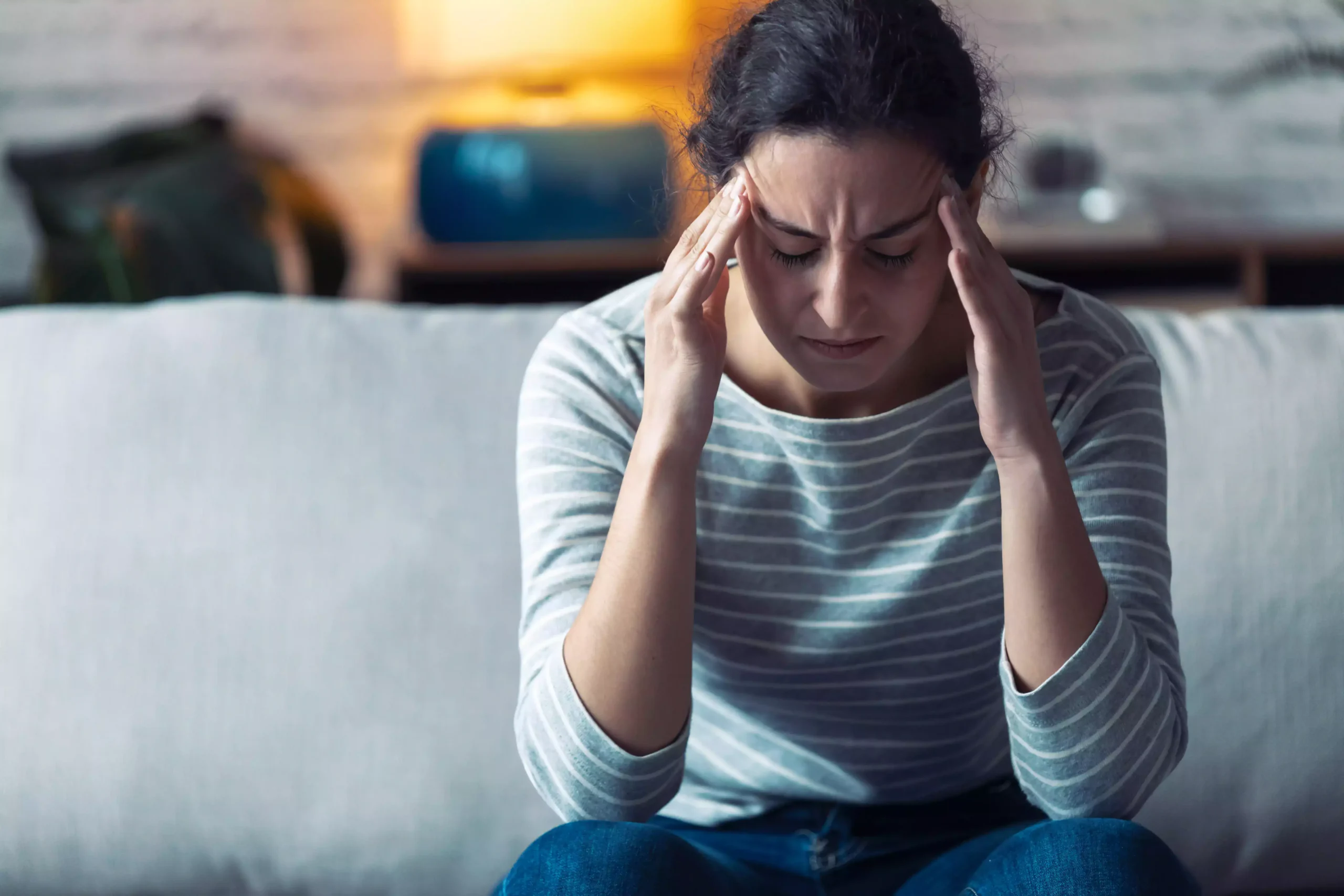
Emotional stress is often thought of as something that affects only the mind. However, when stress becomes chronic, it frequently begins to appear in the body. Headaches, fatigue, muscle tension, digestive issues, and sleep problems are common physical signals of emotional overload.
Understanding the connection between emotional stress and physical symptoms is essential for protecting both mental and physical well-being.
The Mind–Body Connection Explained Simply
The mind and body are deeply connected. Emotional stress activates the nervous system, preparing the body for perceived danger. When this stress response is short-term, the body recovers. When stress is ongoing, the body remains in a state of tension.
Over time, this can lead to physical symptoms that have no clear medical cause but are very real.
Physical symptoms often appear after prolonged emotional strain. Recognizing early signs of emotional overload can help prevent stress from escalating.
➡️ Link a:
How to Recognize Early Signs of Emotional Overload
Common Physical Symptoms Caused by Emotional Stress
Chronic emotional stress often shows up in predictable physical ways.
Frequent physical symptoms include:
Persistent fatigue
Headaches or migraines
Muscle tension or pain
Digestive discomfort
Chest tightness
Sleep disturbances
These symptoms are signals—not weaknesses.
Why Emotional Stress Becomes Physical
When emotional stress is ignored or suppressed, the body often becomes the outlet.
This happens because:
Stress hormones remain elevated
Muscles stay tense
Digestion slows or becomes irregular
Sleep cycles are disrupted
The body speaks when emotions are not acknowledged.
Reducing physical stress responses often begins with daily balance. Learning how small daily rituals restore emotional and mental balance supports recovery.
➡️ Link a:
How Small Daily Rituals Help Restore Emotional and Mental Balance
Emotional Patterns That Increase Physical Symptoms
Certain emotional habits make physical symptoms more likely.
These include:
Suppressing emotions
Chronic worry or anxiety
Perfectionism
Emotional over-responsibility
Lack of rest or boundaries
Awareness of these patterns helps reduce physical impact.
How Physical Symptoms Affect Emotional Health
The relationship works both ways. Physical discomfort often increases emotional stress, creating a cycle.
This cycle may include:
Worry about symptoms
Fear of illness
Increased anxiety
Emotional exhaustion
Breaking the cycle requires addressing both body and emotions.
Practical Ways to Reduce Stress-Related Physical Symptoms
Reducing physical symptoms begins with reducing emotional load.
1. Acknowledge Emotional Stress
Naming stress reduces internal pressure.
2. Support Nervous System Recovery
Slow breathing and rest calm stress responses.
3. Release Physical Tension
Gentle movement or stretching helps reduce muscle tension.
4. Improve Emotional Boundaries
Reducing emotional overcommitment lowers stress.
5. Create Daily Recovery Moments
Small breaks prevent stress accumulation.
(This section naturally supports affiliate links for relaxation tools, stress journals, or wellness apps.)
When to Seek Medical or Emotional Support
Physical symptoms should always be taken seriously.
Additional support is important if:
Symptoms persist or worsen
Daily functioning is affected
Emotional distress feels constant
Medical evaluation and emotional support can work together.
Stress-related symptoms often invite deeper self-reflection. Exploring why personal growth often begins after life feels uncertain offers perspective.
➡️ Link a:
Why Personal Growth Often Begins After Life Feels Uncertain
Listening to What Your Body Is Telling You
Physical symptoms are not random—they are messages. When emotional stress is addressed with awareness and care, the body often responds with relief.
Caring for emotional health is also caring for physical health.


0 Comments